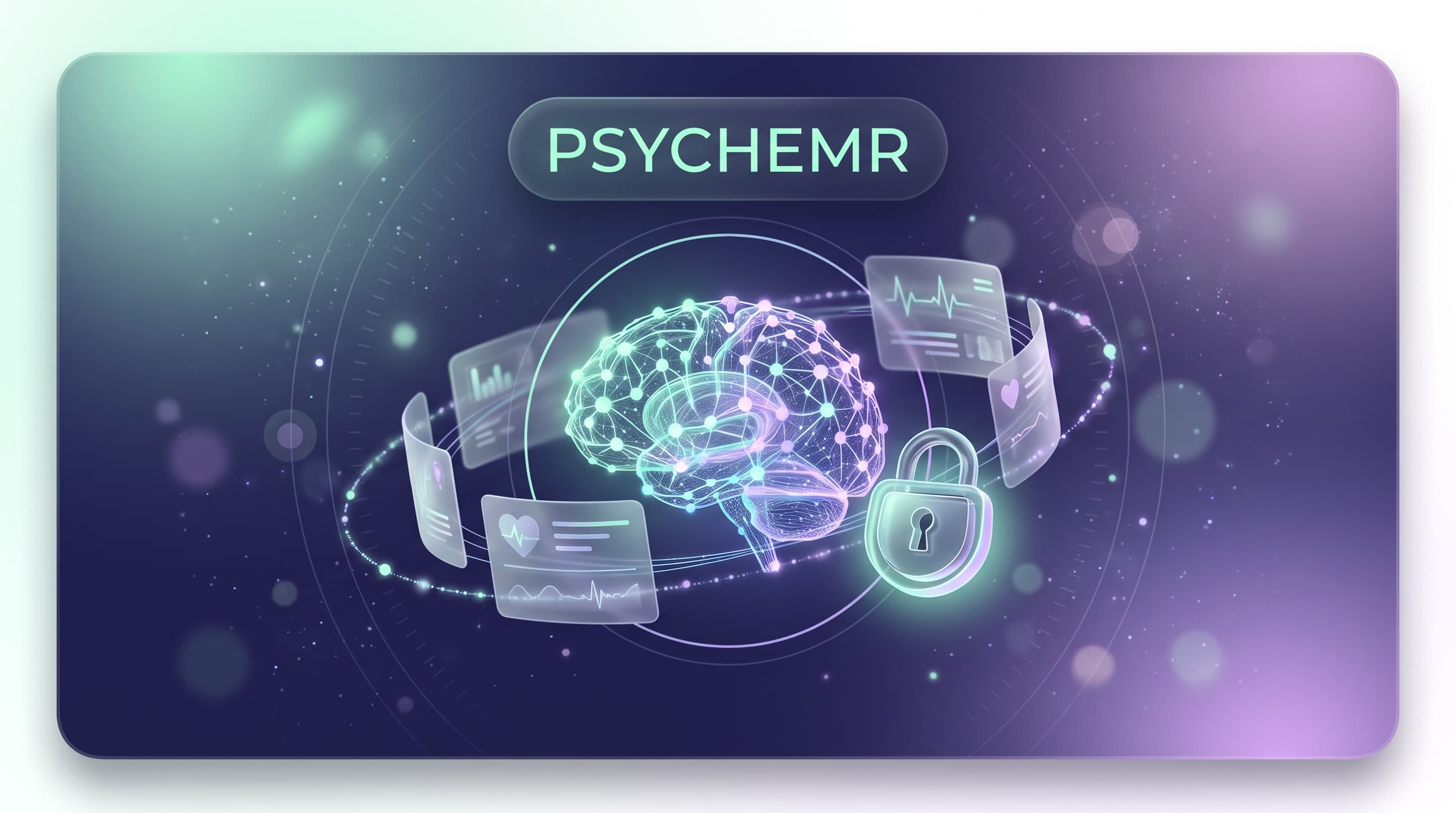
Electronic medical records (EMR) software plays a vital role in helping mental health professionals manage patient information effectively. With the growing demand for mental health services, adopting a reliable EMR system can simplify administrative tasks, improve patient care, and ensure compliance with industry standards. Let’s explore the features, benefits, and key considerations for choosing the right EMR software for mental health practices.
What Is Electronic Medical Records Software for Mental Health?
EMR software for mental health is a digital tool designed to manage patient records, track treatment plans, and facilitate communication between care teams. These systems replace traditional paper-based processes, offering an efficient and organized way to handle sensitive medical information.
Key Features of Mental Health EMR Software
Patient Information Management
EMR software securely stores comprehensive patient data, including personal details, medical history, and mental health assessments.
Customizable Treatment Plans
Scheduling and Appointment Management
Integrated Billing and Insurance Management
Telehealth Capabilities
Regulatory Compliance Tools
Data Analytics and Reporting
E-Prescription Tools
Benefits of EMR Systems for Mental Health Practices
Improved Efficiency
Better Patient Outcomes
Enhanced Collaboration
Cost Savings
How to Choose the Best EMR Software for Mental Health Practices
When selecting an EMR system, consider the following:
Ease of Use: The software should be user-friendly and require minimal training.
Customizability: Look for solutions that adapt to your practice’s unique workflows.
Integration Capabilities: Ensure compatibility with your existing tools and systems.
Data Security: Verify that the system complies with HIPAA regulations and has strong encryption protocols.
Customer Support: Opt for vendors offering robust support and regular software updates.
Why Choose Decimal Solution for EMR Implementation?
At Decimal Solution, we specialize in creating EMR software tailored to the needs of mental health providers. Our solutions are designed to simplify your operations, protect sensitive data, and improve patient care. With a team of experienced developers and industry experts, we help you achieve your practice goals efficiently.
Conclusion
Electronic medical records software for mental health is more than just a tool—it’s an essential component of modern mental health practices. From managing patient records to facilitating telehealth, the right EMR software can transform how providers deliver care.
Ready to simplify your practice?
Partner with Decimal Solution to build a customized EMR system for your mental health services. Let’s work together to improve care and optimize your operations.
FAQs:
1. What is electronic medical records software for mental health?
Electronic medical records (EMR) software for mental health is a digital solution that helps clinicians manage patient data, schedule appointments, document treatment plans, and ensure compliance with privacy regulations.
2. How does EMR software improve mental health care?
EMR software improves care by organizing patient information, enabling quick access to records, supporting better treatment decisions, and streamlining administrative tasks.
3. Is EMR software secure for mental health practices?
Yes, most EMR solutions are designed to comply with HIPAA and other privacy laws, ensuring patient data is securely stored and accessible only to authorized users.
4. Can small mental health clinics afford EMR software?
Many EMR providers offer scalable plans that cater to small clinics, making it affordable while addressing specific needs like patient management and documentation.
5. What features should I look for in mental health EMR software?
Key features include appointment scheduling, treatment plan documentation, billing, compliance tracking, and robust reporting tools for clinical insights.




 Veterinary ERP & Enterprise Software