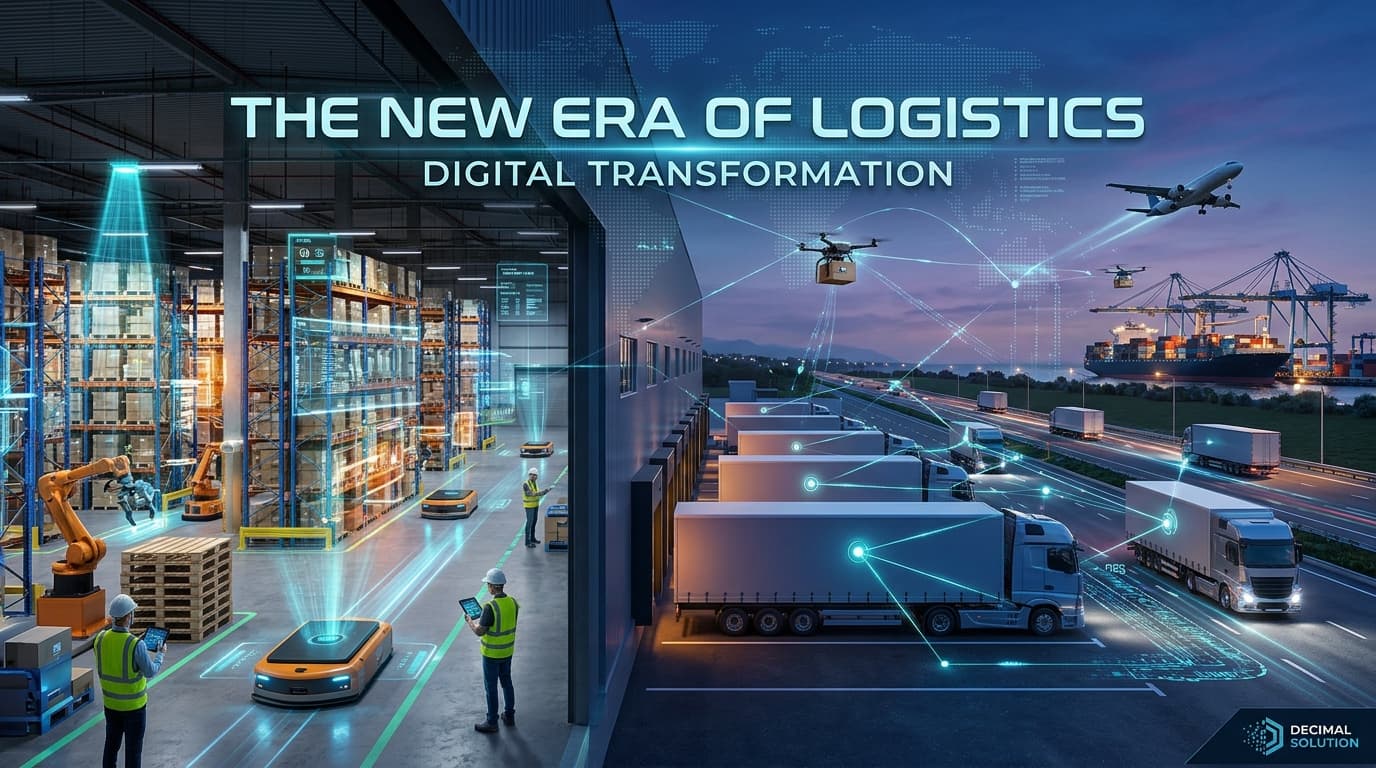
Introduction: The New Era of Logistics
Logistics is no longer just about moving goods from one place to another. It’s about how efficiently, accurately, and transparently that journey happens. With the rise of technology, logistics companies are rethinking every process from tracking vehicles on the road to managing stock in warehouses. This shift, often called digital transformation, is helping businesses work smarter, reduce waste, and provide better service to their customers.
The Need for Digital Transformation in Logistics
Traditional logistics often relied on manual paperwork, phone calls, and guesswork. That approach no longer fits today’s fast-paced global market. Companies now face tighter delivery schedules, higher customer expectations, and growing competition.
Digital transformation helps solve these problems by bringing:
Real-time visibility into shipments and inventory
Automation that speeds up repetitive tasks
Data insights that improve planning and reduce costs
By moving to digital systems, logistics teams can work faster, make better decisions, and build stronger customer trust.
Fleet Tracking: The First Step Toward Smarter Logistics
Fleet tracking is often the first area companies upgrade when going digital.
With GPS and IoT devices installed in vehicles, managers can monitor routes, track deliveries, and check driver performance in real time.
Benefits of Fleet Tracking
Efficient route planning that saves fuel
Improved delivery time and reliability
Safer driving through monitoring and alerts
Less downtime with predictive maintenance
Fleet tracking isn’t just about location, it's about control, safety, and better use of resources.
Smart Warehousing: The Heart of Digital Logistics
After improving fleets, the next step is to modernize storage and inventory systems. Smart warehousing uses connected devices, barcode scanners, and automation tools to handle stock with more accuracy and less human error.
Advantages of Smart Warehousing
Real-time updates on inventory levels
Faster picking and packing
Fewer delays and misplaced orders
Lower operating costs
These improvements create a warehouse that runs smoothly, keeps products moving efficiently, and ensures customers get what they need on time.
Integrating Technology Across the Supply Chain
Digital transformation isn’t limited to one part of logistics. It connects every stage of the supply chain from the supplier’s factory to the customer’s doorstep.
Key technologies making this possible include:
Cloud systems for better coordination between teams
Blockchain for secure, transparent record-keeping
Artificial Intelligence (AI) for demand forecasting and route optimization
Big data analytics for performance tracking and insights
This integration helps logistics businesses react quickly to changes, avoid bottlenecks, and plan with confidence.
Benefits of Going Digital in Logistics
Companies that invest in digital logistics experience real, measurable improvements:
More visibility: Track shipments, fleets, and stock at any time
Higher efficiency: Less manual work and fewer delays
Reduced costs: Smarter routes and better resource management
Happier customers: Accurate delivery times and updates
Environmental care: Less fuel waste and smarter energy use
Technologies Powering Modern Logistics
Several technologies are driving this transformation forward:
IoT (Internet of Things): Connects vehicles, sensors, and equipment
AI (Artificial Intelligence): Analyzes data and predicts outcomes
Automation & Robotics: Speeds up warehouse and packing tasks
Cloud Computing: Enables data sharing and remote management
Blockchain: Builds transparency and trust in transactions
Together, these tools turn logistics into a connected, data-driven ecosystem.
Challenges in Adopting Digital Systems
Transforming operations isn’t always easy. Some challenges include:
Upfront investment in software and equipment
Employee training to use new systems
Cybersecurity concerns with digital data
Integration issues with older systems
With the right planning and support, however, these challenges can be managed. The long-term savings and growth make digital transformation well worth the effort.
The Future of Logistics: Smarter and More Connected
The future of logistics is being shaped by automation, artificial intelligence, and data.
We’re seeing developments like driverless delivery vehicles, drones, and predictive inventory management all focused on speed, safety, and sustainability.
In the coming years, digital logistics won’t be optional; it will be the new standard for staying competitive and reliable.
Why Choose Decimal Solution for Your Digital Logistics Journey
At Decimal Solution, we help logistics businesses simplify complex operations through practical digital tools and systems.
Here’s what we offer:
Fleet Management Solutions that give you real-time visibility and control
Warehouse Automation Tools to improve accuracy and speed
Cloud-Based Dashboards for tracking performance and making informed decisions
Data-Driven Insights to support better planning and forecasting
Our goal is simple to make your logistics operations smoother, smarter, and more efficient from start to finish.
Conclusion
Digital transformation isn’t just about technology, it's about progress. By upgrading fleet systems, using smart warehouses, and integrating data-driven tools, logistics companies can work faster, cut costs, and deliver better results. Businesses that adapt today will be the ones leading the logistics industry tomorrow.
FAQs
Q1. What does digital transformation mean in logistics?
It means using technology like IoT, automation, and AI to make logistics operations faster, more accurate, and easier to manage.
Q2. How is smart warehousing different from traditional warehousing?
Smart warehousing uses connected devices and automation to track inventory and manage orders, while traditional warehousing relies mostly on manual work.
Q3. What are the main benefits of digital logistics?
Better efficiency, lower costs, real-time tracking, and improved customer service.
Q4. What technologies are shaping the future of logistics?
AI, IoT, robotics, blockchain, and big data analytics are the main drivers.
Q5. How does Decimal Solution help logistics companies go digital?
Decimal Solution provides tools for fleet tracking, warehouse automation, and data integration to help businesses modernize their logistics operations.
Get in Touch With Us!
Let us assist you in finding practical opportunities among challenges and realizing your dreams.
linkedin.com/in/decimal-solution — LinkedIn
thedecimalsolution@gmail.com — Email




 Biotech & Mobile App Development