Low-code and no-code development platforms lead the fast changes in the field of software development. These systems let companies and users create apps without depending on great programming skills, therefore helping them both. The appeal of these platforms rises as companies go toward digital modernizing. How then does this impact companies and developers? Let's investigate together.
Evolution of Development of Applications
Limitation of Traditional Coding Practices
For many years, software development has been mostly dependent on gifted programmers who generate fresh code. Although this method gives complete flexibility and control, it has several disadvantages, like long development cycles, high pricing, and limited access for non-technical users.
The Emergence of Low-Code & No-Code Solutions
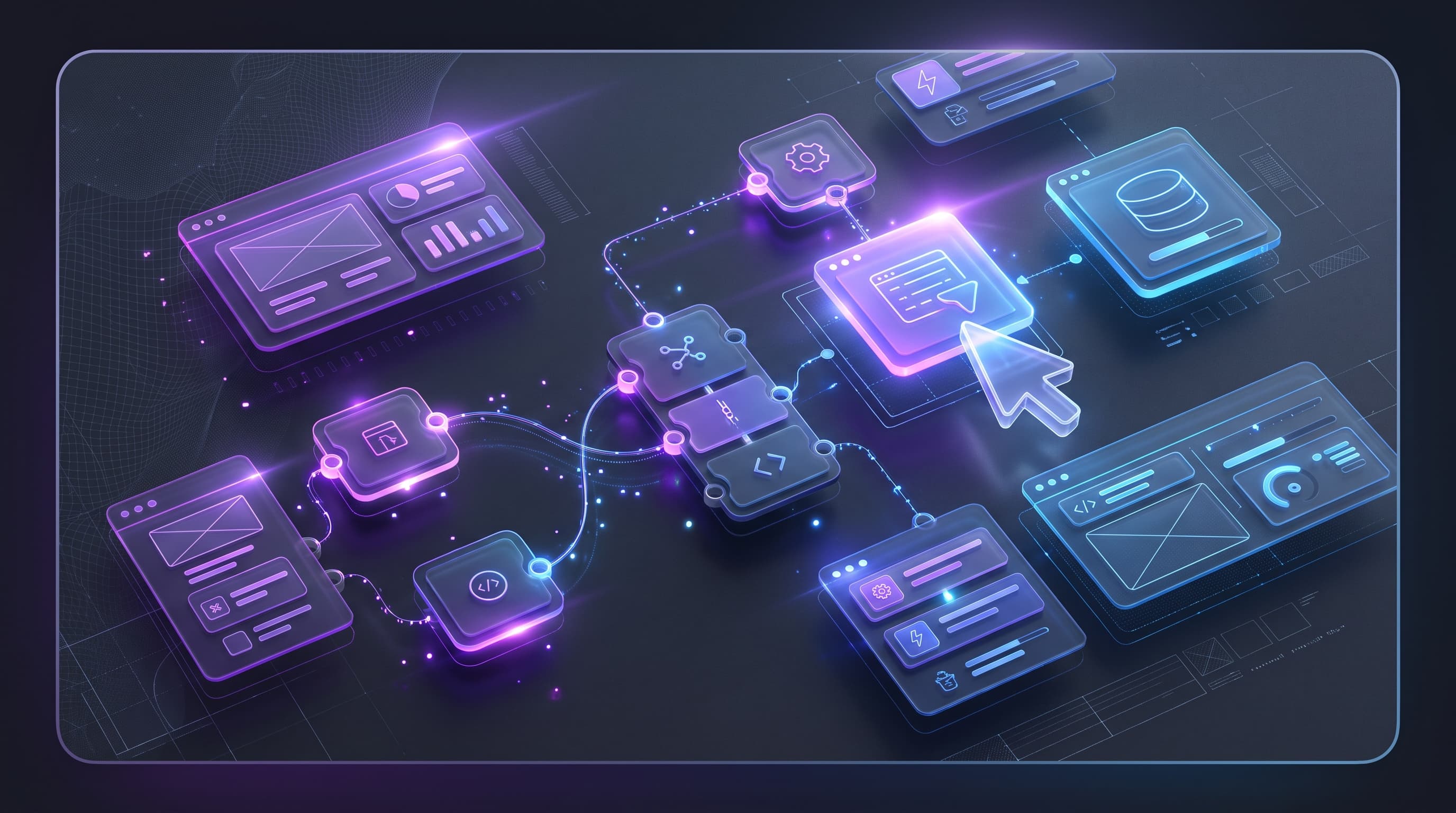
Low-code and no-code platforms, equipped with drag-and-drop interfaces, pre-built templates, and automation tools to accelerate development, have emerged to address these issues. Faster and more effective software development is made possible by these methods closing the technical and non-technical user gap.
Benefits for Businesses
1. Accelerated Development
Companies may develop applications far faster, therefore reducing time to market and encouraging speedy innovation.
2. Cost Effectiveness
Businesses save money by lowering the demand for seasoned developers.
3. Empowering Non-Technical Teams
Easy-to-use interfaces let non-technical individuals design and modify programs, therefore encouraging corporate innovation and agility.
4. Scalability
These systems help companies expand applications as their demands change without calling for major reconstruction projects.
Advantages for Developers
1. Increased Productivity
While concentrating on difficult corporate problems, developers can automate boring tasks.
2. Better Collaboration
These systems guarantee that projects complement corporate objectives by means of cooperation between developers and business teams, therefore assuring alignment.
3. Skill Diversification
Including automation technologies, artificial intelligence integrations, and lots of customizing options helps developers extend their skill sets.
Challenges and Considerations
1. Customization and Limitations
Though they are adaptable, low-code and no-code systems might find it difficult to offer highly specialized or unique capabilities.
2. Security Concerns
Apps run on outside platforms; hence, companies have to protect data security, compliance, and access control.
3. Vendor Lock-In
Depending just on one platform may cause long-term dependencies, which would complicate migration.
4. Performance Issues
When compared to completely customized-coded solutions, complex applications might show performance inefficiencies.
Impact on the Development Landscape
1. Modifying Skill Requirements
The development of these platforms has given strategic thinking and problem-solving top importance over conventional coding skills.
2. Integration of Artificial intelligence
Artificial intelligence enhances low-code and no-code systems, therefore improving intelligence as well as development efficiency.
3. Open-Source Contributions
Open-source low-code solutions developed by groups and developers help to foster accessibility and flexibility.
Cases Studies
1. Business Efficiency
Low-code systems have been effectively adopted by companies such as Airbus and Unilever to streamline processes and cut development periods.
2. Developer Adoption
Development teams at businesses like Microsoft and Google have used low-code platforms to boost productivity while yet allowing for customized development as needed.
Future Outlook
1. Market Trends
With companies in many sectors using these platforms to boost productivity, the low-code and no-code markets are projected to grow quickly.
2. Technological Advancements
Anticipate improved integrations, more customizing choices, and more advanced artificial intelligence capability.
3. Role of Developers
Platform design, integration, and optimization will take front stage among developers instead of conventional coding.
Conclusion
Low-code and no-code development is transforming the software environment. Although they increase accessibility, speed, and efficiency, companies have to carefully evaluate their needs to strike the right mix between legacy code and modern systems. Organizations and developers have to embrace new technologies as the sector develops if they are to stay competitive and stimulate creativity.
At Decimal Solution, we are committed to helping businesses leverage the power of low-code and no-code development to achieve their strategic goals. If you’re looking to modernize your IT infrastructure and develop applications faster than ever, get in touch with us today.
Read the full article and discover how decimal solution can help transform your development practices as a first priority!
FAQs
1. How different are low- and no-code systems?
While no-code systems rely just on visual interfaces and automation technologies, low-code platforms call for little coding for modification.
2. Are systems low- and no-code based safe?
Security is decided upon by the platform supplier, as is business deployment and compliance policies.
3. Are low-code platforms something big companies might use?
Indeed, major companies use low-code solutions to speed process automation and application development.
4. Will low-code systems take the place of traditional coding?
Though low-code systems increase efficiency, complex, unique solutions still depend on traditional coding.
5. How may low-code technologies let developers make money?
By cutting out repetitious chores, developers may spend more time on strategic development, integration, and complex problem solving.
Why Decimal Solutions?
At Decimal Solution, we understand the potential of low-code and no-code technologies in driving business success. Our team specializes in providing custom software solutions personalized to the unique needs of organizations across industries. We help businesses harness the power of these platforms to accelerate innovation, improve operational efficiency, and reduce costs.
Our Expertise in Low-Code and No-Code Development
Custom Enterprise Solutions: We build robust, scalable, and secure low-code applications to meet enterprise needs.
Seamless Integrations: Our team ensures smooth integration with existing software ecosystems, maximizing efficiency.
Security & Compliance: We implement industry best practices to ensure data security and regulatory compliance.
Training & Support: We empower businesses with the knowledge and tools to leverage these platforms effectively.
Get in Touch With Us!
Let us assist you in finding practical opportunities among challenges and make your dreams come true.
linkedin.com/in/decimal-solution — LinkedIn
decimalsolution.com/ — Website
thedecimalsolution@gmail.com — Email




 Frontier AI Models & Agentic Reasoning Systems